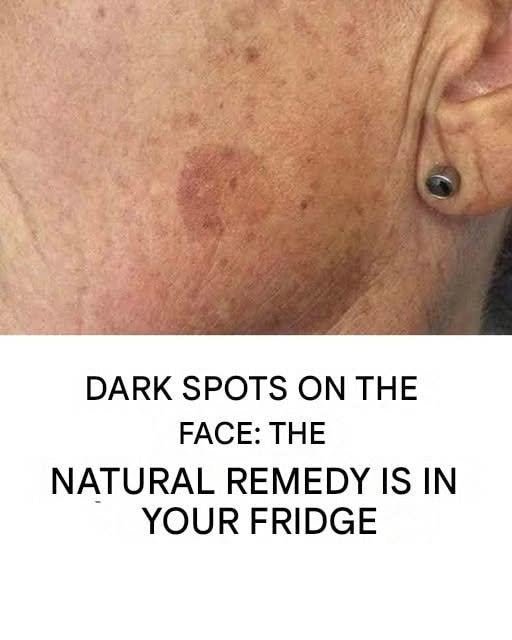
Add This to Your Face Cream and Blemishes Could Become Less Noticeable — What Dermatologists Want You to Know
Have you ever looked in the mirror and noticed dark spots, uneven skin tone, or blemishes that seem impossible to fade?
Perhaps you’ve tried expensive creams, homemade remedies, and countless skincare tips promising flawless skin.
One popular beauty claim suggests that adding a simple ingredient to your regular face cream can make blemishes disappear.
But does this really work?
The truth is that certain skincare ingredients can help reduce the appearance of dark spots and blemishes, but there is no miracle ingredient that permanently erases every skin imperfection.
In fact, mixing the wrong substances into your moisturizer can cause irritation, damage your skin barrier, or make discoloration worse.
Understanding which ingredients actually work, how to use them safely, and what causes facial blemishes can help you achieve healthier-looking skin without unnecessary risks.
Why Do Dark Spots and Facial Blemishes Appear?
Facial blemishes can develop for many different reasons.
Some are related to acne, while others involve excess pigment, sun exposure, hormonal changes, or skin irritation.
Common causes include:
- Sun exposure: Ultraviolet radiation stimulates melanin production, which can contribute to dark spots and uneven pigmentation.
- Post-inflammatory hyperpigmentation: Dark marks may develop after acne, insect bites, rashes, or skin injuries.
- Melasma: This condition causes patches of discoloration, often on the cheeks, forehead, or upper lip.
- Hormonal changes: Pregnancy and certain hormonal medications can contribute to pigmentation changes.
- Skin aging: Years of accumulated sun exposure can contribute to age spots.
- Irritating skincare products: Harsh treatments may cause inflammation and worsen discoloration, especially in darker skin tones.
Because these conditions have different causes, one product will not treat every type of blemish equally well.
1. Niacinamide: A Gentle Ingredient Worth Knowing About
Niacinamide, a form of vitamin B3, is a widely used skincare ingredient.
Research suggests that it may help improve uneven skin tone, support the skin barrier, and reduce the appearance of some types of hyperpigmentation.
It may also help regulate excess oil and improve the appearance of redness in certain individuals.
Niacinamide is available in moisturizers, serums, and other skincare products.
Many formulations contain concentrations around 2–5%, although the ideal strength varies by product and individual skin sensitivity.
How to use it: Rather than mixing pure niacinamide powder into your face cream, choose a professionally formulated moisturizer containing niacinamide or use a compatible serum according to its label.
This helps avoid problems with concentration, stability, and skin irritation.
2. Vitamin C: An Antioxidant That May Improve Uneven Skin Tone
Vitamin C is another popular ingredient in skincare products designed to improve the appearance of discoloration.
Some forms of topical vitamin C can help reduce excess pigmentation and support antioxidant protection.
Vitamin C also contributes to collagen production, which plays a role in maintaining healthy skin structure.
However, different forms and concentrations of vitamin C vary in their effectiveness and potential to cause irritation.
Some products are unstable when exposed to air, heat, or light.
For this reason, adding crushed vitamin C tablets or homemade mixtures to an ordinary moisturizer is not recommended.
A properly formulated vitamin C serum or cream is generally a safer and more reliable choice.
3. Azelaic Acid: Especially Helpful for Acne Marks
Azelaic acid is an ingredient with evidence supporting its use in acne and certain pigmentation disorders.
It has anti-inflammatory properties and can help reduce the formation of excess pigment in some cases.
It may be particularly useful for post-inflammatory hyperpigmentation, the dark marks that remain after pimples heal.
Azelaic acid is available in different formulations and strengths.
Higher-strength products may require a prescription depending on local regulations.
Some people experience mild burning, tingling, or dryness when they first begin using it.
Introduce products gradually and seek professional advice if irritation persists.
4. Retinoids: Supporting Skin Renewal
Retinoids are vitamin A derivatives commonly used in dermatology.
They can help treat acne, improve some types of hyperpigmentation, and reduce the appearance of fine lines.
Retinoids influence skin cell turnover and other processes involved in skin health.
However, they can also cause dryness, peeling, redness, and increased sensitivity, especially when introduced too quickly.
Some retinoid products are available without a prescription, while others require medical supervision.
Retinoids should generally be avoided during pregnancy, and people who are pregnant or planning pregnancy should discuss suitable alternatives with their healthcare provider.
Never mix prescription retinoids into homemade cosmetic preparations.
Use them only as directed.
5. The Most Important Product May Be Sunscreen
Many people spend money on brightening creams while overlooking the single most important step in preventing sun-related pigmentation.
Daily sun protection is essential.
Ultraviolet radiation can darken existing spots and contribute to new ones.
Dermatologists generally recommend a broad-spectrum sunscreen with SPF 30 or higher.
Apply it to exposed skin and reapply according to the product instructions, particularly during extended outdoor activity.
For people with melasma or persistent hyperpigmentation, a tinted sunscreen containing iron oxides may provide additional protection against visible light that can worsen discoloration.
Without appropriate sun protection, even effective dark-spot treatments may produce disappointing results.
Can You Safely Mix Ingredients Into Your Face Cream?
It may seem convenient to add a few drops or a spoonful of something to your moisturizer.
However, not every ingredient is suitable for mixing.
Commercial skincare products are carefully formulated to maintain appropriate ingredient concentrations, acidity, stability, and preservation.
Adding substances at home can change these properties.
For example, combining acidic ingredients with an unsuitable cream may increase irritation.
Adding fresh food ingredients or water-based homemade mixtures can also introduce microorganisms and affect the product’s preservation.
The safer approach is to use professionally formulated skincare products as directed instead of modifying the entire container of cream.
A suitable serum can often be applied separately before moisturizer when the product instructions allow it.
6. Why Lemon Juice Is Not a Good Facial Treatment
One widely shared beauty tip recommends mixing lemon juice into face cream to fade dark spots.
Although lemon contains acids and vitamin C, applying fresh lemon juice directly to the skin is not the same as using a professionally formulated vitamin C product.
Lemon juice can irritate the skin and damage its protective barrier.
Citrus compounds may also cause reactions when exposed to sunlight, sometimes resulting in burns and longer-lasting pigmentation.
For these reasons, lemon juice should not be used as a homemade facial brightening treatment.
7. Be Careful With Baking Soda and Other Home Remedies
Baking soda is another ingredient frequently promoted for treating facial blemishes.
However, baking soda is alkaline and can interfere with the skin’s naturally acidic protective environment.
Repeated use may contribute to dryness and irritation.
Other commonly suggested ingredients, such as undiluted essential oils or harsh exfoliating mixtures, can also cause unwanted reactions.
Natural ingredients are not automatically safer than laboratory-formulated skincare products.
A product’s safety depends on its composition, concentration, and how it is used.
8. A Simple Skincare Routine for Uneven Skin Tone
You do not need a complicated routine with ten different products to begin caring for discoloration.
A consistent approach is usually more helpful.
Morning Routine
Step 1: Cleanse gently.
Use a mild facial cleanser suited to your skin type.
Avoid harsh scrubbing, which may worsen irritation.
Step 2: Apply a targeted product.
A professionally formulated niacinamide or vitamin C product may be appropriate, depending on your skin’s needs.
Step 3: Moisturize.
Choose a moisturizer that supports your skin barrier and does not cause irritation.
Step 4: Apply sunscreen.
Use broad-spectrum SPF 30 or higher.
Reapply when necessary, especially during outdoor activities.
Evening Routine
Step 1: Cleanse your face gently to remove sunscreen, makeup, and daily buildup.
Step 2: Apply an appropriate treatment, such as azelaic acid or a retinoid, if suitable for you.
Step 3: Finish with a moisturizer to reduce dryness and support the skin barrier.
Introduce only one new active product at a time so you can identify possible irritation.
9. How Long Does It Take for Dark Spots to Fade?
One of the biggest frustrations with hyperpigmentation treatment is that results take time.
The skin does not usually return to an even tone overnight.
Mild post-inflammatory marks may gradually fade over several months, although some take longer.
With appropriate treatment, visible improvement may occur over approximately 8–12 weeks, depending on the condition and product used.
Deeper pigmentation and melasma may require longer treatment, maintenance care, and professional guidance.
Some discoloration does not completely disappear with over-the-counter products.
Patience and consistency are more realistic than expecting immediate results.
10. When Should You See a Dermatologist?
Most common facial dark spots are not dangerous, but some skin changes deserve professional evaluation.
See a dermatologist if you notice:
- A new or changing dark spot.
- A mole with irregular borders or multiple colors.
- A spot that grows quickly.
- Bleeding, crusting, or persistent itching.
- A lesion that does not heal.
- Pigmentation accompanied by unusual pain or inflammation.
- Dark patches that continue worsening despite appropriate care.
Do not attempt to lighten or remove suspicious skin lesions with cosmetic creams.
A changing spot should be evaluated to rule out potentially serious skin conditions, including skin cancer.
Can Diet and Hydration Improve Your Skin?
Healthy skin depends on more than topical products.
Balanced nutrition, adequate hydration, sleep, and avoiding tobacco support overall health.
Foods containing a variety of vitamins, minerals, and antioxidants contribute to normal skin function.
However, drinking extra water or eating one particular food does not reliably erase dark spots.
Dietary supplements marketed as skin-whitening products should also be approached cautiously, especially when they promise dramatic or rapid results.
Some products lack strong evidence or may contain unsafe ingredients.
The Biggest Mistake People Make When Treating Facial Blemishes
One of the most common mistakes is using too many active products at the same time.
For example, someone may begin using a strong exfoliating acid, retinoid, vitamin C serum, and several brightening products simultaneously.
This can overwhelm the skin and cause irritation.
In people prone to hyperpigmentation, inflammation itself may lead to additional dark marks.
A gentler routine that introduces treatments gradually can be more effective over time.
If irritation develops, stop the product causing the reaction and seek medical advice for severe or persistent symptoms.
Final Thoughts: The Truth About Adding Ingredients to Face Cream
There is no single ingredient that can make every